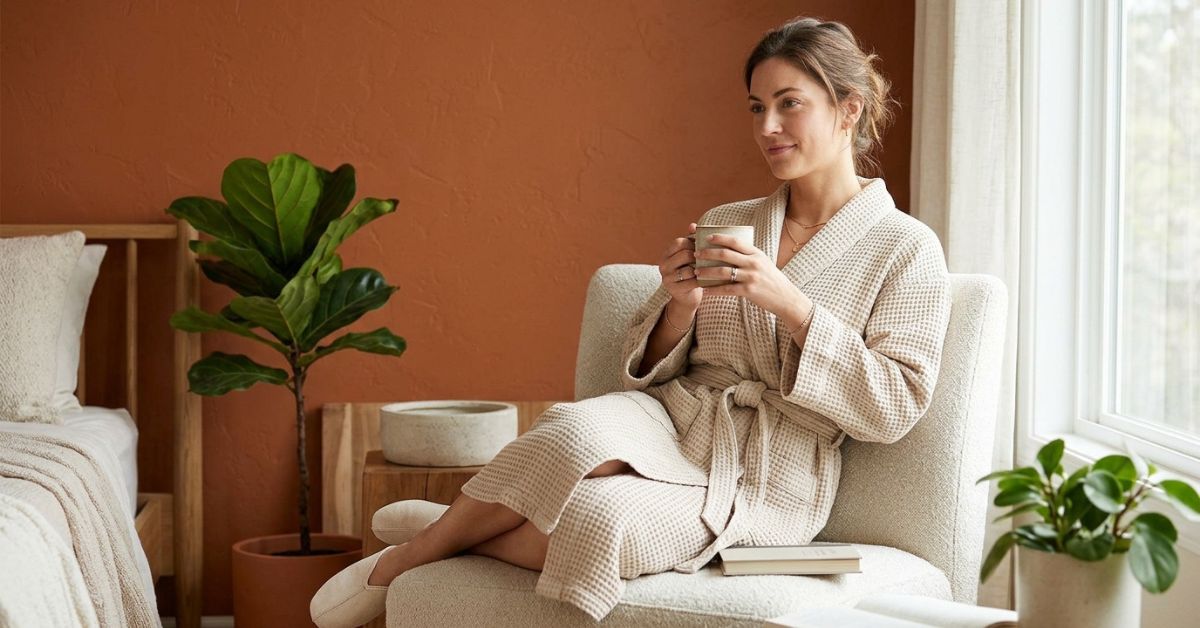
A complete, up to date guide to comfort, style, fabric science, and everyday care
Whether you are stepping out of the shower, enjoying a slow morning with coffee, or winding down after a long day, a bathrobe is one of the simplest ways to add comfort to a daily routine. But if you have ever wondered exactly how to wear a bath robe, tie it properly, or choose one that actually performs well, you are not alone. This guide walks through the correct way to put on and secure a robe, how to pick the right fabric and fit for your climate and skin, and how to care for a robe so it stays soft for years, drawing on guidance from recognized U.S. federal agencies along the way.
Why Wear a Bath Robe
A bathrobe does more than cover you up. It is a versatile piece that can be used after bathing, while getting ready, during a spa style evening at home, or simply while relaxing on the weekend. The main benefits include:
- Warmth immediately after a shower or bath
- Gentle absorption of leftover moisture before you get dressed
- Protection for your skin while applying lotion or grooming products
- Comfortable loungewear for mornings and evenings
- A calm, spa inspired feeling at home
Premium Turkish cotton robes, such as those in the Bathrobes collection at Thirsty Towels, are especially popular because the long cotton fibers are naturally soft, highly absorbent, and become even softer with every wash. If you want to understand exactly how fabric weight affects that softness and absorbency, the guide on what GSM means in towels explains the science in detail, and the same weight ranges apply directly to robes.
How to Wear a Bath Robe Properly
Putting on a robe correctly takes only a few seconds, but doing it well makes a real difference in comfort and how long the robe lasts.
1. Slide Your Arms Through the Sleeves
Slip your arms into each sleeve and let the robe settle naturally on your shoulders. It should feel relaxed, without pulling across your back or restricting movement.
2. Adjust the Collar
Depending on the style, arrange the collar so it sits comfortably around your neck. Popular styles include:
- Shawl collar robes for extra warmth
- Kimono style robes for a lightweight, minimalist feel
- Hooded robes for added coziness right after bathing
3. Wrap the Robe Evenly
Pull one side across your body, then overlap the opposite side. The front should sit comfortably without feeling tight, and you should be able to move your arms freely.
4. Fasten the Inner Tie First
Many well made bathrobes include an internal tie sewn near the waist. Fasten this first, before you reach for the outer belt. It is what keeps the robe closed even when you move around, and it matters just as much for children as it does for adults.
5. Secure the Outer Belt
Thread the belt through the side loops and tie it comfortably around your waist. Avoid pulling it too tight. Aim for a secure but relaxed fit that still allows you to sit, bend, and move naturally.
Should You Wear Clothes Under a Bath Robe
There is no single correct answer here. It depends on how you are using the robe. Many people wear a bathrobe:
- Directly after a shower, with nothing underneath
- Over pajamas or sleepwear during cool mornings
- Over swimwear at the pool or spa
- While getting ready before dressing for the day
Whatever feels most comfortable for your own routine is the right choice.
Choosing the Right Bath Robe
Not all bathrobes are made the same, and a few factors are worth considering before you buy.
Fabric
The fabric determines softness, warmth, absorbency, and how long the robe lasts. Turkish cotton is prized for excellent absorbency and long lasting softness, waffle weave suits warmer climates and dries quickly, and plush terry cotton offers maximum warmth for cold mornings. If your skin is easily irritated, the guide to the best bath towels for sensitive skin covers which fibers and weaves are gentlest, and the same principles apply directly to choosing a robe.
Weight, or GSM
Just like towels, robes vary in thickness, measured in grams per square meter, or GSM. A heavier robe generally feels warmer and more substantial, while a lighter robe dries faster and packs more easily for travel. The full explanation of what GSM means in towels breaks down the exact weight ranges and how they affect drying time, which is a useful reference when comparing robe options as well.
Length
- Knee length robes for lightweight everyday wear
- Mid calf robes for a balanced, versatile fit
- Full length robes for maximum warmth and coverage
Use this table to match a robe length to how you plan to wear it.
| Length Style | Typical Hem | Best For | Watch Out For |
|---|---|---|---|
| Knee Length | Just above or at the knee | Quick changes, warm climates, travel | Less coverage in cold rooms |
| Mid Calf | Between knee and ankle | Everyday lounging, most households | Good all around choice for most adults |
| Full Length | Near the ankle | Maximum warmth, colder homes | Can drag on stairs if sized too large |
| Toddler and Kids | Above the ankle, clears the shoe | Bath time, safe everyday wear | Never size up so far the hem nears the floor |
Bath Robe Fabric and Fit Comparison
Use this table as a quick reference when comparing robe options for yourself or your family.
| Fabric or Style | Best For | Absorbency | Drying Speed | Notes |
|---|---|---|---|---|
| Turkish Cotton Terry | Everyday use, all climates | Very High | Fast | Softens with every wash, long lasting |
| Egyptian Cotton Terry | Dry climates, luxury feel | High | Slow | Extra long fibers, dense and plush |
| Waffle Weave Cotton | Warm climates, spa use | Moderate | Very Fast | Lightweight and breathable |
| Microfleece or Plush | Cold weather lounging | Low | Fast | Warm but repels rather than absorbs water |
| Organic or Bamboo Blend | Sensitive or eczema prone skin | High | Moderate to Fast | Naturally gentle and breathable |
Bath Robes for Children: Fit and Safety First
Robes for toddlers and young children carry a few extra considerations that do not apply to adult robes. Extra fabric around the hem can create a tripping hazard for early walkers, and a rigid belt can come undone easily or restrict movement. The detailed toddler robe size chart guide covers exact height and weight ranges by age, and prioritizing height over age is the safest way to choose a size, since children grow taller much faster than they gain weight, which the CDC's clinical growth charts also reflect.
Fabric choice matters just as much for children as sizing does. The guide on how to choose the best fabric for a toddler bathrobe compares organic cotton, bamboo, and terry cloth for sensitive skin, eczema, and everyday warmth.
On the safety side, the U.S. Consumer Product Safety Commission enforces flammability standards for children's sleepwear and loungewear under the Flammable Fabrics Act, which requires that loose fitting children's garments either be flame resistant or made from close fitting, snugly cut natural fibers such as cotton. Sewn in belts and snug, properly sized robes both support this standard, and they reduce the tripping and tangling risk that a loose, detached tie can create.
Common Bath Robe Mistakes to Avoid
- Choosing the wrong size, either too loose or too long
- Wearing a robe that is too heavy for your climate
- Tying the belt too tightly
- Skipping the printed care instructions on the label
- Using fabric softener too often, which reduces cotton absorbency over time
Caring for Your Bath Robe
Proper washing keeps a robe soft, absorbent, and long lasting. Manufacturers are required to include specific washing guidance on the garment tag under the Federal Trade Commission's Care Labeling Rule, so start there before you wash a new robe for the first time.
- Wash before first use to remove manufacturing residue.
- Follow the care label and wash similar colors together.
- Skip fabric softener where possible. Softeners coat cotton fibers with a waterproof film that reduces absorbency, so the EPA's Safer Choice program is a useful reference if you prefer gentler, independently verified detergents.
- Avoid excessive heat when drying. Tumble dry on low to medium heat instead to protect the cotton fibers.
Choosing an efficient dryer setting also protects both your robe and your energy bill. The ENERGY STAR clothes dryer guidance from the U.S. Department of Energy and the Environmental Protection Agency, along with the Department of Energy's own laundry energy tips, are both useful references for balancing drying time against energy cost on a heavier terry robe.
If your robe has already gone stiff or scratchy from detergent buildup or hard water, the step by step guide on how to make towels soft again walks through a two cycle vinegar and baking soda reset that restores plushness and absorbency, and the same method works well on robes made from the same terry cloth construction.
Good drying and hygiene habits matter too. The CDC's guidance on cleaning and disinfecting the home confirms that laundering bath linens with detergent and appropriate heat, then drying them completely, is the correct approach for keeping household textiles hygienic, which applies directly to robes that get daily use.
Robe Care: The Right Way vs. The Wrong Way
A quick reference for keeping a robe soft, absorbent, and long lasting.
| Care Step | The Right Way | The Wrong Way |
|---|---|---|
| Detergent Amount | One to two tablespoons per load | Filling the cup to the top line |
| Softening Agent | Half a cup of white vinegar in the rinse cycle | Commercial fabric softener or dryer sheets |
| Wash Temperature | Warm water for regular loads | Consistently high heat every wash |
| Drying Method | Tumble dry on low or medium heat | Highest heat setting on every cycle |
| Belt and Ties | Sewn in inner tie fastened first, then the outer belt | Relying on a loose, detachable belt alone |
| Storage Between Uses | Hung open on a hook or bar for airflow | Left folded in a damp pile on the floor |
Our Recommendation
For most adults, a mid weight Turkish cotton terry robe offers the best everyday balance of softness, absorbency, and drying speed. Start with the Bathrobes collection at Thirsty Towels for exactly that range, and pair it with matching Turkish Towels for a coordinated set.
For a lighter option that suits warm climates and quick changes after a shower or swim, the Shower Wraps collection is worth a look, and for a full spa style routine at home, a natural bar from the Olive Oil Soap collection pairs well with a soft cotton robe once you step out of the bath.
Sources
- U.S. Consumer Product Safety Commission, Flammable Fabrics Act
- Centers for Disease Control and Prevention, Clinical Growth Charts
- Centers for Disease Control and Prevention, Cleaning and Disinfecting the Home
- U.S. Environmental Protection Agency, Safer Choice Program
- U.S. Department of Agriculture, Organic Standards
- ENERGY STAR, Clothes Dryers