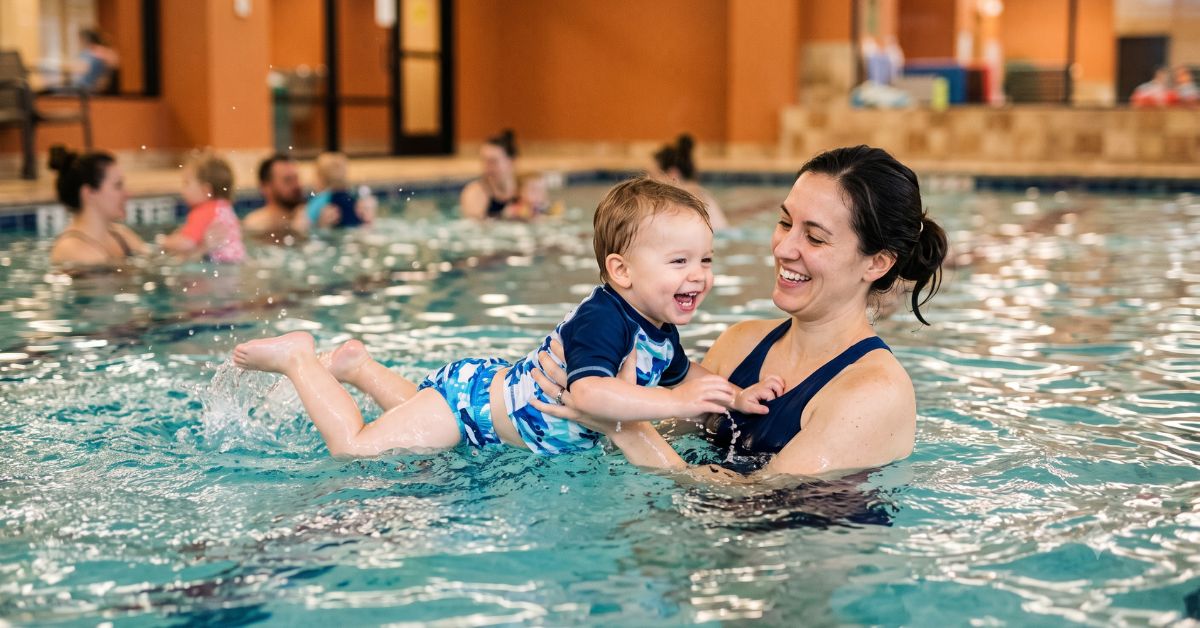
Getting a tired, chilled toddler from a warm pool deck into dry clothes is one of the more chaotic five minutes of parenting. What you dress them in during that window is not about style. It affects how quickly their body warms back up, whether their skin reacts to chlorine, and how calm the whole changing room experience feels for everyone involved. This guide pulls together pediatric health guidance and public health recommendations from agencies including the Centers for Disease Control and Prevention and the National Highway Traffic Safety Administration, along with practical, tested advice from parents who do this twice a week, so you can build a swim aftercare routine that actually works.
1. What Actually Happens to a Toddler's Body After the Pool
Indoor pools used for toddler lessons are typically kept between 84 and 88 degrees Fahrenheit (29 to 31 degrees Celsius) to protect small bodies from getting cold in the water. The moment a child steps out, evaporative cooling begins right away, and because toddlers have a much higher skin surface area relative to their body mass than adults, they lose core heat far more quickly. At the same time, chlorine used to disinfect the water can strip away the skin's natural protective oils. The CDC's Healthy Swimming program notes that pool chemicals commonly cause skin irritation and rashes in swimmers, particularly when chlorine reacts with sweat, body oils, and other residue to form byproducts called chloramines. A well planned outfit needs to do three jobs at once: restore body temperature, protect the skin barrier, and get onto a squirming toddler in under a minute.
2. Speed and Stretch: Solving the Sticky Skin Problem
Damp, slightly sticky toddler skin is notoriously hard to dress. Narrow sleeve openings, tight cuffs, and stiff fasteners create friction and turn a simple change into a wrestling match.
- Choose stretchy, wide opening garments such as envelope neck tops, wide crew cuffs, or a full length front zipper.
- Skip stiff fasteners. Metal snaps, small buttons, and unforgiving denim all bind against damp skin and slow you down.
- Practice the arm in first, head last order for tops. It keeps a toddler's face clear and reduces the panic that triggers a meltdown.
3. Fabric Choices That Actually Protect Growing Skin
Fabric choice has a direct impact on skin health once a toddler is out of treated pool water. The table below compares how common fabrics perform for the change immediately after swimming.
| Fabric | After Pool Performance | Why It Works This Way |
|---|---|---|
| 100% organic cotton | Best choice | Breathable, absorbs surface moisture, and is gentle against irritated skin. |
| Fleece or terry toweling | Good for transit | High thermal insulation for the walk from pool deck to car. |
| Synthetic spandex or nylon | Avoid right after swimming | Traps residual moisture and chlorine against the skin, raising irritation risk. |
Terry cloth and toweling fabrics deserve a special mention here because they double as the fastest way to stop heat loss the moment a toddler leaves the water. If you are shopping for a wrap, a hooded kids' bathrobe made from absorbent terry cotton gives you both drying power and warmth in a single layer, which is exactly what a shivering toddler needs before you even start the real outfit change.
Not all cotton performs the same way, either. If you have ever compared towels or robes and wondered why some feel plush for years while others thin out fast, the difference usually comes down to fiber origin. Our full comparison of Turkish versus Egyptian cotton breaks down absorbency, softness, and durability so you can pick towels and robes that hold up to twice weekly pool trips.
4. Dressing by Season: A Simple Layering Guide
Swim aftercare needs to flex with the outdoor temperature. Use this quick reference when packing the swim bag.
| Season | Base Layer | Middle Layer | Outer and Footwear |
|---|---|---|---|
| Cold weather | 100% cotton onesie or loose long sleeve shirt | Fleece jumpsuit or thick tracksuit | Lined hooded jacket, beanie, fleece lined slip on boots |
| Warm weather | Loose cotton romper or baggy tee | Not usually needed | Breathable slip on canvas shoes or rubber clogs |
5. Why Zip Up Fleece and Hooded Towel Ponchos Win
Single piece garments are the most efficient thing you can put in a swim bag.
- Sliding a hooded terry poncho over a toddler right at the pool exit slows heat loss immediately and absorbs water on the walk to the changing area. A dedicated terry bathrobe is thick enough to work as both towel and first layer.
- A full length zip romper removes the need to match a top and bottom on damp skin, which cuts real time off the change.
6. Extra Care for Eczema and Sensitive Skin
Chlorine exposure calls for extra attention if your toddler has eczema or reactive skin. Research on infant skin published through the National Institutes of Health points to daily emollient use as a core part of protecting and repairing the skin barrier in young children, which matters even more after repeated chlorine exposure (NIH: The Infant Skin Barrier).
- A quick rinse under warm shower water helps remove chlorine and pool residue before it sits on the skin.
- Gently pressing a soft towel against the skin preserves the barrier better than brisk wiping.
- A fragrance free ointment or thick cream locks in hydration and creates a buffer under clothing.
- Minimal seams and no synthetic fibers reduce mechanical friction on already irritated skin.
If you are building a full sensitive skin kit, from towels to loungewear, our guide to the best bath towels for sensitive skin walks through what to look for beyond just cotton content, including weave, dye process, and wash care.
7. Footwear: Guarding Against Fungal Infections
Locker room and pool deck floors are a known route for fungal infections such as athlete's foot and plantar warts. According to MedlinePlus, a service of the U.S. National Library of Medicine, the fungus responsible for athlete's foot is easily spread through direct contact with pool decks and shower surfaces, and it thrives when feet stay wet for long periods.
- Use nonslip rubber clogs or water shoes with textured grips right beside the pool and on the way to the locker room.
- Swap wet water shoes for clean, dry cotton socks and easy slip on sneakers or fleece boots so cold, wet feet do not chill the rest of the body.
8. Preventing Swimmer's Ear With the Right Gear
Swimmer's ear, medically known as otitis externa, develops when water stays trapped in the ear canal and creates a warm, damp environment where bacteria can grow. State health guidance from the Minnesota Department of Health recommends tilting the head to each side after swimming so trapped water can drain, and drying the outer ear thoroughly with a towel. The CDC's swimming safety guidelines list drying ears thoroughly with a towel after swimming as a direct way to help prevent this infection.
- Have your toddler tilt their head to each side on a towel right after swimming to assist drainage.
- Cover damp ears with a dry, cotton lined hood or a warm beanie during the walk from the pool to the car.
- Never insert a cotton swab into a toddler's ear canal. Dry only the outer ear with a soft towel corner.
9. Hair and Scalp: Locking In Warmth
Wet hair drips down the neck and back long after a toddler is dressed, undoing a lot of the warmth their new outfit provides.
- Squeeze out excess water with a high absorption microfiber towel rather than rubbing the scalp.
- Avoid pulling damp hair into tight elastic ties, which strains fragile hair shafts and traps chemical residue near the scalp.
- A loose beanie or hood absorbs remaining moisture while you head home.
10. The Swim Bag Checklist
Packing the bag in the same order every time keeps the change simple, even on a rushed night.
- Dry towel plus a hooded toweling poncho
- Fresh regular diaper or training pants, never leave a wet swim diaper on after the pool
- A loose fitting base layer appropriate for the season
- A waterproof wet bag for the swimsuit
- A high protein or complex carbohydrate snack for the ride home
11. Calming Meltdowns During the Change
Toddlers are often exhausted and hungry right after a lesson, and loud, echoing changing rooms can trigger sensory overload.
- A portable, mess free option such as a pouch or a banana as soon as they sit down on the bench buys you calm minutes.
- Get the torso dry and covered before worrying about socks and shoes.
- If the changing room is overcrowded, dry your toddler well, wrap them in a warm robe over dry clothes, and do a full bath at home instead.
A Note on Car Seat Safety After Swimming
One safety point deserves its own space because it is so often missed on cold pool nights. The National Highway Traffic Safety Administration warns that bulky winter coats and snowsuits should never be worn under a car seat harness. Thick padding compresses in a crash, which leaves dangerous slack in the straps even when the harness looked snug going on. Dress your toddler in a warm, fitted cotton or fleece base layer for the ride, buckle the harness snugly against that layer, and add a blanket or a coat worn backward over the straps for extra warmth.
Recommendation Note
For families doing lessons more than once a week, we recommend building a two piece swim aftercare kit: one absorbent terry kids' bathrobe for the immediate pool exit, and a second lightweight cotton outfit stored separately in the swim bag for the car ride home. Rotating two terry bathrobes means one is always washed and dry for the next class. You can browse the full range of organic cotton towels and robes designed for sensitive young skin at Thirsty Towels.
Sources and Further Reading
- CDC, Preventing Swimming Related Illnesses, Healthy Swimming Program
- CDC, Preventing Eye and Skin Irritation From Pool Chemicals
- CDC, Guidelines for Keeping Your Pool Safe and Healthy
- Minnesota Department of Health, Swimmer's Ear (Otitis Externa)
- MedlinePlus, U.S. National Library of Medicine, Athlete's Foot
- National Highway Traffic Safety Administration, Keeping Little Ones Warm and Safe in Car Seats
- National Institutes of Health, PMC, The Infant Skin Barrier: Can We Preserve, Protect, and Enhance the Barrier